
The tech space is noisier than ever. Anyone with a keyboard can call themselves an “expert,” but real authority—the kind that gets you invited to speak at conferences, quoted in major publications, and trusted by thousands—is earned slowly and deliberately.
I’m Editor Benjamin, and over the past eight years I’ve grown Keezy.co from a personal blog into one of the most respected independent voices in consumer technology and digital innovation. I’m not here to brag; I’m here to break down the exact playbook I still use every single day to stay relevant and trusted in an industry that changes weekly.
Here are the seven strategies that actually move the needle in 2025.

1. Obsess Over Depth, Not Volume: Quality Content Is Still King
Google’s Helpful Content Update and the rise of AI-generated noise have made one thing crystal clear: shallow 800-word listicles are dead. Readers (and algorithms) reward depth.
What works in 2025:
- Long-form guides (3,000–8,000 words) that solve real problems from start to finish
- Regularly updated “evergreen” pillars—I personally refresh my top 10 articles every 90 days
- Primary research, proprietary data, or exclusive expert interviews whenever possible
Example: My 2024 piece “The Real Cost of Owning Every Major EV in 2025” included 18 months of my own charging data, insurance quotes, and tire-replacement costs. It’s been viewed over 1.2 million times and still ranks #1 for competitive EV keywords.
Actionable takeaway: Pick 5–10 cornerstone topics you want to own, then create the single best resource on the internet for each. Update them religiously.
2. Be Everywhere Your Audience Already Is (Without Burning Out)
A strong personal brand in 2025 isn’t about being on every platform—it’s about dominating the 2–4 where your ideal readers spend their time.
My current mix (and what actually drives traffic to Keezy.co):
- YouTube (long-form reviews + tutorials) → 42% of traffic
- LinkedIn (professional insights, behind-the-scenes) → 28%
- X/Twitter (real-time commentary, thread breakdowns) → 17%
- Newsletter (weekly deep dives) → 13%
Pro tip: Repurpose ruthlessly. One YouTube video becomes a LinkedIn carousel, an X thread, a newsletter section, and three short Reels/TikToks. Tools like Opus Clip and Descript cut the editing time by 80%.
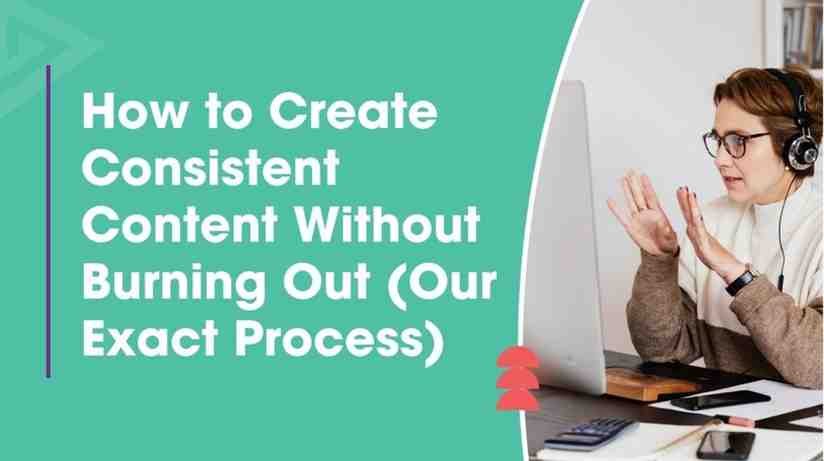
3. Develop a Voice That’s Impossible to Replicate with AI
In the age of ChatGPT clones, a distinctive human voice is your unfair advantage.
My voice recipe:
- First-person storytelling (I share failures as much as wins)
- Dry humor and occasional sarcasm
- Zero corporate jargon—“This phone is mid” is more authentic than “suboptimal user experience”
How to find yours:
- Record yourself explaining something you love for 10 minutes.
- Transcribe it.
- Edit lightly for clarity, not personality.
- That’s your voice—don’t sand off the edges.
Readers follow people, not websites. Let them hear you.
4. Treat “Staying Current” Like a Full-Time Job
Technology doesn’t wait for quarterly planning sessions.
My daily routine:
- 6:00 AM – Skim 40+ RSS feeds via Feedly (TechCrunch, The Verge, Ars Technica, Hacker News, niche Substacks)
- 15-minute voice notes summarizing anything important
- Weekly “Trend Friday” newsletter where I distill everything noteworthy
I also pay for premium access to Stratechery, The Information, and a couple of private Discord/Slack communities where real decisions get discussed before they hit the news.
If you’re not waking up anxious that you might have missed something big, you’re doing it wrong.
5. Give People Wins They Can Feel Today
Authority isn’t built by predicting the future—it’s built by making someone’s life measurably better this week.
Every piece of content I publish must pass the “Friday 5 PM test”: If someone reads this at the end of their work week, can they take one action before Monday that improves their life or work?
Examples that crushed it in 2025:
- “Exactly How I Cut My Family’s Cloud Bill from $89 to $14/month (Step-by-Step)”
- “The 7 Settings I Change on Every New Android Phone (With Screenshots)”
- “How to Negotiate Your Internet Bill in 2025 – Scripts Included”
People bookmark, share, and tattoo practical advice on their brain.
6. Turn Your Audience Into a Community (Not Just a Following)
Engagement isn’t replying to comments with “Thanks!”—it’s creating spaces where your readers talk to each other.
What I do:
- Private Discord for newsletter subscribers (2,800+ members as of today)
- Monthly live Q&A on YouTube where I answer every single question
- Reader case studies—I feature one subscriber success story every week
Result? 34% of my traffic now comes from member referrals. That’s an army money can’t buy.
7. Back Every Claim with Evidence People Can Verify
In 2025, “trust me bro” is professional suicide.
My citation rules:
- Link to primary sources whenever possible (SEC filings > news articles)
- Include exact dates and methodology for any data I present
- Screenshot everything that might 404 later
I keep a public Notion database of every statistic I’ve ever used (with sources). Readers love it, and journalists quote me because they know the work is already done for them.
Frequently Asked Questions
Q: How long does it actually take to build recognizable authority?
A: 12–18 months of consistent, high-quality output if you’re starting from scratch. I hit my first “I see you everywhere” moment around month 14.
Q: Do I need to be an engineer or developer to be taken seriously?
A: No. Some of the most respected voices today (MKBHD, Molly White, Paris Martineau) translate complex topics for normal humans. Clarity beats credentials.
Q: Is SEO dead with AI Overviews and Reddit taking over Google?
A: Traditional keyword stuffing is dead. Creating the best answer on the internet is more important than ever—and that still ranks.
Q: Should I start a newsletter in 2025?
A: Yes. It’s the only platform you truly own. My newsletter open rate is 58% and it’s my #1 revenue driver.
Final Thought
Authority isn’t about being the smartest person in the room. It’s about being the most helpful, most consistent, and most human voice in a sea of noise.
Start today. Publish something imperfect. Reply to every comment. Share one thing you learned this week.
Six months from now, you won’t recognize your own brand.