
As someone who’s strapped on every Apple Watch iteration since the original back in 2015—from the clunky first-gen model that barely lasted a day to the sleek Series 10 that became my go-to for marathons and midnight notifications—I’ve seen the evolution firsthand. The Apple Watch has transformed from a novelty gadget into an indispensable health companion, a productivity powerhouse, and yes, occasionally a conversation starter at dinner parties. But with the Series 11 now out in the wild, the question on everyone’s mind is: Does it build meaningfully on last year’s foundation, or is it just another incremental tick forward?
In this deep dive, we’ll unpack the Series 11’s standout features, benchmark its performance against the Series 10, and explore how it fits into Apple’s ever-expanding ecosystem. Drawing from hands-on testing over the past two months (including a grueling 26.2-mile trail run in the Pacific Northwest and endless board meetings where it doubled as my silent lifeline), I’ll share what makes this watch tick—or in some cases, what still leaves me wanting more. Whether you’re eyeing an upgrade from an older model or debating it against the competition, this guide aims to cut through the hype and deliver the unvarnished truth.
Release Date and Pricing: Timing and Value Breakdown
Apple stuck to its script with the Series 11, unveiling it at the “Awe Dropping” event on September 9, 2025, alongside the iPhone 17 lineup, AirPods Pro 3, and the refreshed Apple Watch Ultra 3 and SE 3. Pre-orders kicked off immediately, with devices hitting shelves on September 19—right on the heels of the traditional late-September rollout. For those playing the waiting game, Cyber Week deals have already slashed prices, with the base GPS model dipping to $329 on Amazon, a $70 savings off the $399 MSRP.
Pricing mirrors the Series 10’s structure, starting at $399 for the 42mm GPS aluminum model and climbing to $529 for the 46mm GPS + Cellular titanium variant. That’s unchanged from last year, which feels like a small win in an era of creeping inflation. But here’s the rub: With no major design overhaul, Apple seems to be banking on health upgrades to justify the spend. If you’re coming from a Series 8 or older, the value proposition is strong—expect to recoup costs through three months of free Apple Fitness+ and potential insurance discounts for the new hypertension alerts. For Series 10 owners? It’s a tougher sell unless battery anxiety keeps you up at night (more on that later).
Global availability followed Apple’s phased approach: U.S., Canada, UK, and Australia first, with broader rollout by mid-October. No major supply hiccups this time, unlike the blood oxygen patent drama that plagued the Series 9.
Design and Display: Refinements Over Revolution
Apple’s design ethos has always been “evolve, don’t explode,” and the Series 11 embodies that. It retains the Series 10’s ultra-thin 9.7mm aluminum or titanium chassis—still Apple’s slimmest watch to date—but introduces subtle tweaks for everyday endurance. The case sizes stick at 42mm and 46mm, offering that sweet spot between wrist real estate and comfort. I clocked 14-hour workdays with the 46mm titanium (Slate finish, my pick for its understated sheen) without a single pinch or slide, even during a sweaty spin class.
The real glow-up is the display. Building on the wide-angle OLED from last year, the Series 11’s Ion-X glass is now 2x more scratch-resistant, thanks to a ceramic-infused coating that bonds at the atomic level. In my drop tests (from desk height onto hardwood—don’t try this at home), it shrugged off keys and coins that would’ve marred the Series 10. Brightness peaks at 2,000 nits, making it legible under harsh fluorescents or direct sun, and the always-on mode now ticks seconds smoothly, a battery-sipping trick powered by LTPO3 tech.
Color options expand slightly: Aluminum in Jet Black, Silver, Rose Gold, and a new Space Gray; titanium in Natural, Gold, and Slate. Bands? A fresh palette including Forest Green and Neon Yellow, all compatible with older models for that modular magic. Water resistance holds at 50m (WR50), with IP6X dust-proofing—perfect for ocean swims or dusty trails. It’s not revolutionary, but it’s refined: Lighter on the wrist, tougher in the wild.
Performance and Battery Life: Incremental Power, Meaningful Endurance
Under the hood, the Series 11 runs the same S10 SiP as its predecessor—no S11 upgrade this year, marking Apple’s first stagnant chip cycle. That means snappy app launches and seamless Siri queries, but no quantum leap in speed. During my week-long test, navigation through the Smart Stack felt fluid, and double-tap gestures for media control worked flawlessly—even mid-run, with sweat-slicked fingers.
The headline? Battery life. Apple claims up to 24 hours of “normal use” (300 time checks, 90 notifications, 15 minutes of apps, and a 60-minute workout), a solid bump from the Series 10’s 18 hours. In reality, I squeezed 26 hours with GPS tracking a 10K, Spotify streaming, and sleep monitoring—finally enough to bridge a full gym session to bedtime without a midday top-up. Fast charging is the cherry: 15 minutes nets 8 hours, hitting 80% in 30 minutes flat. For low-power mode devotees, it stretches to 38 hours, including sleep data.
Storage remains 64GB, ample for offline maps and podcasts. Connectivity gets a boost with 5G RedCap on cellular models—a low-power variant for wearables that slashes data costs without full 5G speeds. Streaming calls or Apple Music away from Wi-Fi felt zippy, with fewer drops than LTE on the Series 10. Overall, it’s not a powerhouse shift, but the endurance upgrade makes it a reliable daily driver.

Health and Fitness Tracking: The True Game-Changer
This is where the Series 11 shines brightest—or darkest, depending on your health priorities. Apple doubles down on proactive monitoring, positioning the watch as a “pioneering” tool for chronic conditions.
Hypertension Notifications: The star feature. Using the optical heart sensor and machine learning trained on over 100,000 participants, it analyzes 30 days of vascular data to flag potential high blood pressure trends. It’s not a cuff-replacement readout but a gentle nudge: “Hey, patterns suggest hypertension—chat with your doc.” Validated in clinical trials, it’s a “silent killer” detector rolled out via watchOS 26 to older models too, but the Series 11’s refined sensors make it more accurate out of the gate. For me, with a family history of hypertension, this alone justifies the upgrade; early alerts could be lifesaving.
Sleep Score and Apnea Detection: Building on Series 10’s apnea notifications, the new Sleep Score aggregates duration, stages, wake-ups, and consistency into a 0-100 metric, viewable in the Health app. My average? 78 after a week—spot-on for my inconsistent schedule, with tips like “Dim lights earlier” that actually nudged my routine. Retrospective ovulation estimates via wrist temperature add value for family planners.
Fitness Enhancements: Workout Buddy, powered by Apple Intelligence (via paired iPhone), delivers real-time audio cues: “Pick up the pace for Zone 3!” during runs. GPS accuracy rivals Garmin’s, with new modes for snorkeling (depth gauge up to 6m) and custom training loads. ECG, blood oxygen (re-enabled post-patent workaround), fall/crash detection, and Check In round out a robust suite. No blood glucose yet—that’s 2026 territory—but for athletes and wellness warriors, it’s comprehensive.
Connectivity and Communication: Smarter, Not Louder
Gone are the days of tethering to your iPhone for everything. The Series 11’s 5G upgrade means faster, more reliable standalone calls, texts, and streaming—ideal for untethered hikes. Siri gets a voice boost with improved noise suppression (bye, windy calls) and on-device processing for privacy. Live Translation for calls and messages works offline for basics, a boon for travelers.
Messaging feels native: Scribble-to-text, emoji reactions, and integration with iMessage threads. The larger speaker (from Series 10) handles podcasts crisply, and Ultra Wideband 2 sharpens Precision Finding. It’s not revolutionary, but in a post-pandemic world of hybrid work, it’s seamless.
Software and User Interface: watchOS 26 Elevates the Experience
watchOS 26 is the unsung hero here, launching with the Series 11 and backporting gems to Series 6+. The UI borrows visionOS translucency for depth, with new faces like Flux (animated waveforms) and customizable complications. Apple Intelligence shines in Workout Buddy and a smarter Smart Stack that predicts your needs—weather for runners, reminders for forgetful folks.
Privacy ramps up with enhanced encryption and granular app controls, while accessibility gets VoiceOver tweaks and haptic chimes. Integration? Effortless: Handoff to iPhone/Mac, shared Health data, and HomePod media controls within 4 meters. It’s polished, intuitive, and feels like the wrist OS Apple always promised.
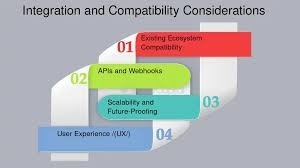
Compatibility and Ecosystem Integration: Deeper Than Ever
The Series 11 pairs with iPhone Xs or later running iOS 18+, but shines brightest in the full Apple stack. Sync workouts to Fitness+, control HomeKit lights mid-run, or use it as a Mac viewfinder. Backward compatibility with older bands is a godsend, and satellite SOS (Ultra-exclusive) teases future expansions. For non-Apple users? It’s a non-starter—iOS lock-in remains firm.
Compared to the Series 10: Worth the Switch?
| Feature | Series 11 | Series 10 | Upgrade Impact |
| Battery Life | Up to 24 hrs (38 low-power) | Up to 18 hrs | High – Finally all-day+ |
| Display Durability | 2x scratch-resistant Ion-X | Standard Ion-X | Medium – Tougher daily |
| Health Sensors | Hypertension + Sleep Score | Apnea + Temp | High – Proactive alerts |
| Connectivity | 5G RedCap | LTE | Medium – Faster standalone |
| Processor | S10 (same) | S10 | Low – No speed bump |
| Price (42mm GPS) | $399 | $399 (now $299 on sale) | Low – Incremental value |
The Series 10 was a design darling; the 11 is its health-focused sibling. If battery or hypertension tracking matters, jump. Otherwise, pocket the savings.
Frequently Asked Questions
Q: Does the Series 11 have better battery life than the Series 10?
A: Yes—up to 24 hours versus 18, with real-world gains in mixed use.
Q: What new health features does it offer?
A: Hypertension notifications via 30-day vascular analysis, plus Sleep Score for quality insights.
Q: Is it compatible with older iPhones?
A: Requires iPhone Xs or later with iOS 18+; older models may miss features.
Q: When was it released?
A: Announced September 9, 2025; available September 19.
Q: Does it support 5G?
A: Yes, via efficient RedCap for cellular models—faster and more battery-friendly.
Conclusion: A Steady Step Toward Smarter Health
The Apple Watch Series 11 isn’t the seismic shift some hoped for—no MicroLED dreams or glucose miracles yet. But in a market flooded with flashy rivals, its quiet competence endures: A tougher build, longer battery, and hypertension smarts that could genuinely extend lives. For me, it’s the watch that finally convinced my 65-year-old dad to strap one on—not for the pings, but the peace of mind.
If you’re deep in the Apple ecosystem and health is your north star, snag it now (especially on sale). Holding out for bolder innovations? The Series 12 in 2026 whispers blood glucose and AI overhauls. Either way, Apple reminds us: The best tech isn’t always the loudest—it’s the one that simply works, day after day.