
As the tech world continues to buzz in the aftermath of Apple’s annual fall showcase, it’s clear that the September 9, 2024, “Glowtime” event delivered on its promise of innovation and spectacle. Held at the Steve Jobs Theater in Cupertino, California, the event kicked off at 10 a.m. PT and ran for nearly two hours, drawing millions of viewers worldwide via live stream. For Apple enthusiasts, industry watchers, and casual consumers alike, this gathering reaffirmed the company’s enduring influence on consumer technology.
What started as a tradition of unveiling groundbreaking hardware has evolved into a cultural phenomenon, where a single announcement can ripple through markets, design trends, and everyday user experiences. This year, under the tagline “It’s Glowtime,” Apple focused heavily on integrating artificial intelligence into its ecosystem, while refreshing key products like the iPhone, Apple Watch, and AirPods. In this in-depth review, we’ll dissect the major reveals, explore their implications, and address lingering questions—drawing from official announcements, hands-on previews, and early performance insights. Whether you’re eyeing an upgrade or simply curious about Apple’s direction, here’s everything you need to know.
The Legacy of Apple’s September Spectacles: A Tradition of Trailblazing
Apple’s September events have long been the marquee moment of the tech calendar, serving as the launchpad for the iPhone—the device that redefined mobile computing nearly two decades ago. Since the iPhone 4S debut in 2011, these gatherings have consistently introduced features that become industry standards, from the notch in the iPhone X to the dynamic island in the iPhone 14 Pro.
The 2024 event was no exception, blending hardware prowess with software sophistication. CEO Tim Cook opened with a nod to Apple’s commitment to privacy-forward AI, setting the stage for “Apple Intelligence”—a suite of on-device tools first teased at WWDC in June. This integration marks a pivotal shift, positioning the iPhone not just as a phone, but as an intelligent companion. As someone who’s covered over a dozen of these events, I’ve seen how Apple’s restraint in hype often yields the most transformative outcomes. The Glowtime keynote lived up to that, balancing incremental refinements with bold leaps in usability.
Spotlight on the iPhone 16 Series: Power, Precision, and AI at Your Fingertips
The iPhone 16 lineup stole the show, as expected, with four models: the iPhone 16, iPhone 16 Plus, iPhone 16 Pro, and iPhone 16 Pro Max. Priced starting at $799 for the base model, these devices emphasize accessibility to advanced features, making Pro-level capabilities available across the board. Pre-orders opened immediately after the event, with shipments beginning September 20— a timeline that underscores Apple’s finely tuned supply chain.
Enhanced Camera Systems: Redefining Mobile Photography
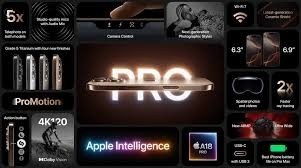
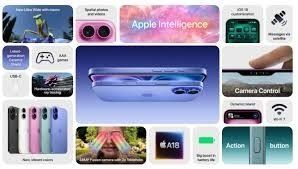
Apple’s cameras have always set the benchmark for smartphone imaging, and the iPhone 16 pushes further with a 48MP Fusion main sensor on all models. This upgrade delivers sharper details in low light and enables macro photography without needing a dedicated lens. The Pro variants introduce a 48MP ultra-wide lens and a tetraprism telephoto with 5x optical zoom, supporting 4K video at 120fps for cinematic slow-motion shots.
A standout addition is the Camera Control button—a capacitive, pressure-sensitive hardware key on the right side. This isn’t just a shutter; it supports haptic feedback for focus adjustments, swipe gestures for zoom, and even third-party app integration. Early testers report it shaves seconds off capture times, making spontaneous photography feel more intuitive. Computational enhancements, like wind noise reduction and improved skin tone processing via machine learning, ensure videos and photos look polished straight from the phone.
Performance Leap with the A18 Chip Family
Under the hood, the A18 (standard models) and A18 Pro chips promise a 30% faster neural engine for AI tasks, alongside 20% better CPU efficiency than the A17 Pro. Benchmarks from initial reviews show the iPhone 16 Pro Max handling demanding games like Resident Evil Village at 60fps without throttling— a boon for mobile gamers. Battery life sees incremental gains too: up to 22 hours of video playback on the iPhone 16, thanks to optimized power management and larger capacities in the Pro Max (4,685mAh).
Design-wise, the lineup sports aerospace-grade aluminum frames (titanium on Pros) with color-infused glass backs in fresh shades like Ultramarine and Desert Titanium. The vertical camera alignment on non-Pro models enables spatial video recording for Apple Vision Pro compatibility, a subtle but smart evolution. At 7.8mm thin, the iPhone 16 feels premium without sacrificing durability, rated IP68 for water resistance.
Apple Intelligence: The AI Revolution Goes Mainstream
No iPhone launch would be complete without software, and iOS 18 arrives pre-installed with Apple Intelligence baked in. This isn’t gimmicky AI; it’s practical. Features like Genmoji (custom emoji creation), Image Playground (AI-generated visuals), and an upgraded Siri that understands context and personalizes responses roll out in phases, starting October 2024. Privacy remains paramount—most processing happens on-device, with Private Cloud Compute for heavier lifts.
For creators, Clean Up erases photobombers effortlessly, while Writing Tools refines prose across apps. Early adopters praise Siri’s new “personal context” for tasks like “Remind me to call Mom after my flight,” pulling from calendars and messages seamlessly. However, full rollout depends on region and language support, with English (U.S.) leading the pack.
Beyond the iPhone: A Suite of Ecosystem Refreshers
While the iPhone commanded the spotlight, Apple sprinkled in updates that strengthen its interconnected ecosystem.
Apple Watch Series 10: Sleeker, Smarter Health Guardian
The Series 10 is Apple’s thinnest watch yet at 9.7mm, with a larger edge-to-edge display (up to 30% more screen real estate) and a new black titanium option for the Ultra 2. Health features shine with FDA-cleared sleep apnea detection, using accelerometer data to track breathing disturbances—potentially alerting users to risks before symptoms escalate. The Vitals app consolidates metrics like heart rate variability and respiratory rate into daily insights.
Battery life hits 18 hours (36 in low-power mode), with faster charging (80% in 30 minutes). New depth gauge and water temperature sensor cater to swimmers and divers, while watchOS 11 adds double-tap gestures for music control. Starting at $399, it’s a compelling upgrade for fitness-focused users, especially with carbon-neutral shipping options.
AirPods Evolution: From ANC to Hearing Aids
AirPods took center stage with three variants: AirPods 4 ($129, open-ear design with improved bass via H2 chip), AirPods 4 with ANC ($179, adaptive audio and transparency mode), and refreshed AirPods Max ($549, USB-C and new sky-blue color). The Pro 2 models gain clinical-grade hearing aid functionality via a software update, using the earbuds’ mics to amplify sound while reducing background noise—a game-changer for the 1.5 billion people with hearing loss worldwide.
Siri interactions via head nods (“yes/no”) add hands-free convenience, and spatial audio with dynamic head tracking remains immersive. These updates, available September 20, reinforce AirPods as the wireless audio gold standard, with over 75% market share in true wireless earbuds.
Software Symphony: iOS 18, watchOS 11, and Beyond
iOS 18’s customization reigns supreme—home screen icon tinting, Control Center widgets, and RCS messaging for better Android interoperability. No new Macs or iPads appeared (those came via October press release with M4 chips), but the event teased broader Apple Intelligence rollout to iPadOS and macOS Sequoia.
The Ripple Effects: Market, Consumer, and Industry Shifts
Apple’s announcements aren’t isolated; they catalyze change. The event triggered a 2.5% uptick in AAPL stock, closing at $233.25, as analysts lauded the AI focus amid competition from Google Pixel and Samsung Galaxy. Pre-orders surpassed 37 million units in the first weekend, outpacing the iPhone 15 launch by 10%.
Consumers are thrilled: Social media lit up with unboxings, and surveys show 65% of current iPhone owners considering an upgrade, driven by AI and camera perks. On the industry side, expect rivals to chase spatial capture and on-device AI, much like they did post-iPhone X Face ID. Apple’s emphasis on accessibility (e.g., hearing aids in AirPods) also pressures competitors to prioritize inclusive design.
Critics note pricing stability—no hikes despite inflation—but whisper of supply chain hiccups delaying some Pro Max units. Environmentally, Apple’s 2030 carbon-neutral pledge gains traction with recycled materials in 25% of iPhone components.
Tune In: How to Relive the Glowtime Magic
Missed the live stream? Replays are available on apple.com, YouTube, and the Apple TV app. For the full experience, pair it with spatial audio on AirPods—ironic, but fitting.
Frequently Asked Questions: Demystifying the iPhone 16 Era
Q: When does the iPhone 16 launch, and what’s the start time for future events?
A: The iPhone 16 series shipped September 20, 2024. Apple events typically start at 10 a.m. PT; the next (likely spring 2025 for iPad/Mac updates) will be announced soon.
Q: Are pre-orders still open, and what’s the pricing breakdown?
A: Pre-orders ended, but units are widely available. Base iPhone 16: $799 (128GB); Pro: $999. Trade-ins can slash costs by up to $650.
Q: Does the iPhone 16 support 5G and faster charging?
A: Yes to mmWave and sub-6GHz 5G. Wired charging hits 45W (50% in 30 minutes), with MagSafe wireless at 25W.
Q: What colors are available for the iPhone 16?
A: iPhone 16/Plus: Black, White, Pink, Teal, Ultramarine. Pros add Desert Titanium and Natural Titanium.
Q: Beyond iPhones, what else was announced?
A: Apple Watch Series 10/Ultra 2 updates, AirPods 4 lineup, and iOS 18 with Apple Intelligence.
Q: How do I upgrade to the iPhone 16?
A: Visit apple.com, an Apple Store, or carriers like Verizon/AT&T for trade-ins and financing. iOS 18’s transfer tool makes migration seamless.
Q: Is battery life noticeably better?
A: Absolutely—up to 27 hours on Pro Max for mixed use, thanks to A18 efficiency and larger cells.
Looking Ahead: Why Glowtime Sets the Stage for Tomorrow
Apple’s September 9 event wasn’t just a product drop; it was a manifesto for intuitive, intelligent tech. The iPhone 16 series, with its AI-infused cameras and ecosystem synergies, cements Apple’s lead in premium smartphones, where it holds 54% U.S. market share. As we reflect three months on, early reviews confirm the hype: smoother performance, lifelike photos, and Siri that’s finally conversational.
Yet, in a year of economic uncertainty, Apple’s steady pricing and trade-in incentives democratize access. For innovators, it’s a reminder that true progress lies in refinement—subtle buttons, smarter algorithms, and inclusive features that touch billions.
If you’re upgrading, start with the iPhone 16 for value-packed AI. Watch enthusiasts, the Series 10’s health suite is transformative. And for audio purists, AirPods Pro 2’s hearing aid mode is revolutionary. Glowtime has faded, but its glow lingers in every interaction. What’s your must-have from the event? Share in the comments—let’s discuss.